

When you think about life support, what images come to mind?
Is it a critical care unit with lots of technology, flashing lights, beeping machines and dedicated ICU staff in their scrubs attending to their patients?
Modern medicine provides us with so much. We have life-saving technologies, advanced surgical interventions and medications to help restore us to health.
All of which is fantastic.
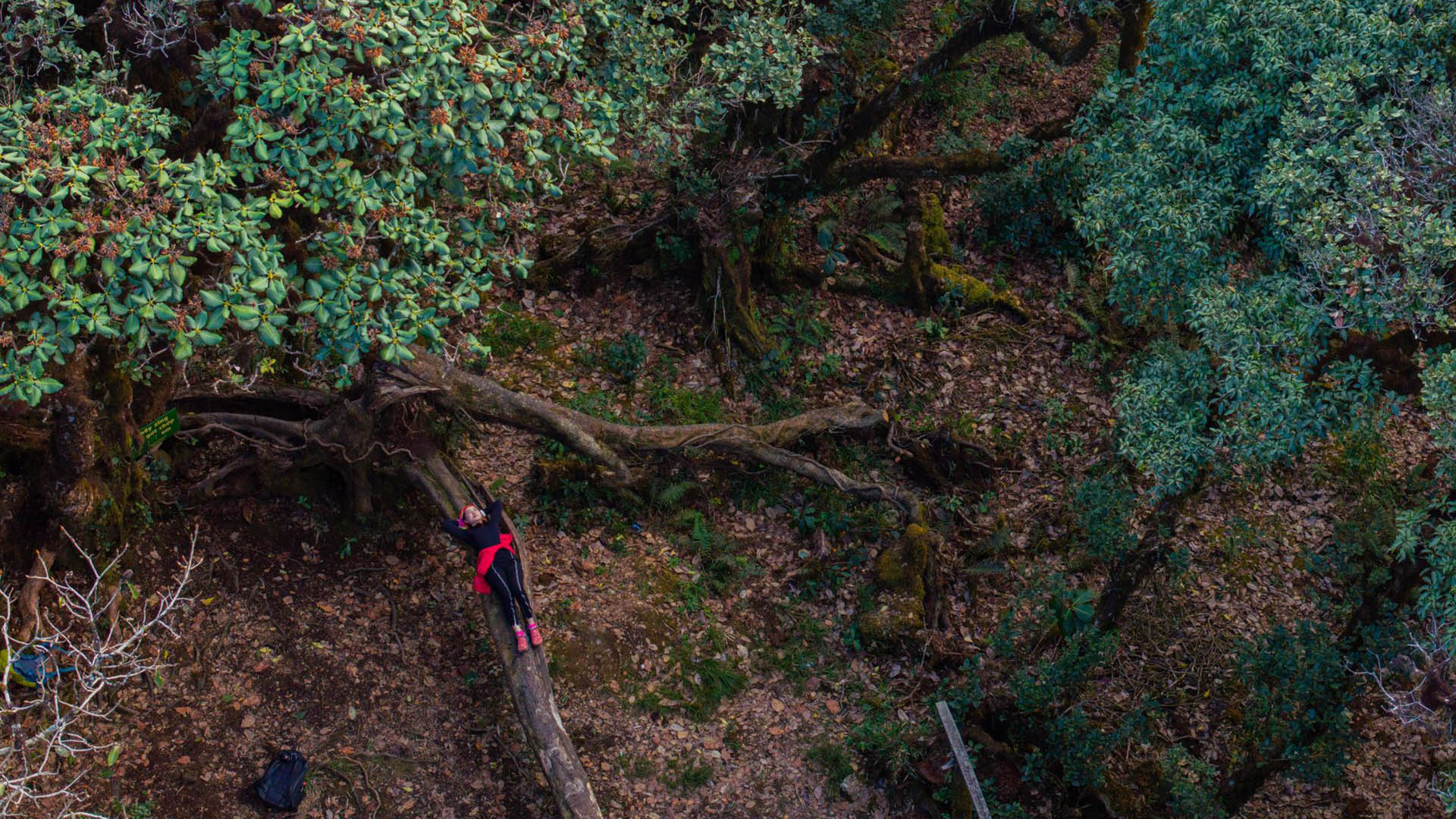
But we’re overlooking another important aspect of human health and well-being. A far older form of life support that we evolved with, that we (mostly) have ready access to and is free.
I’m not saying we need to abandon one for the other, rather to remind ourselves that the life support as provided by nature is not only restorative and healing, by lowering blood pressure and stress levels, elevating mood, alleviating symptoms of anxiety and depression, strengthening our immune system, improving physical health and improving sleep, but also serves to keep us well.
If you’ve ever wondered how, it can be, that despite the vast sums of money invested into our health systems and our greater understanding of what causes illness and disease, we are now carrying a growing burden of life with chronic disease.
This is why.
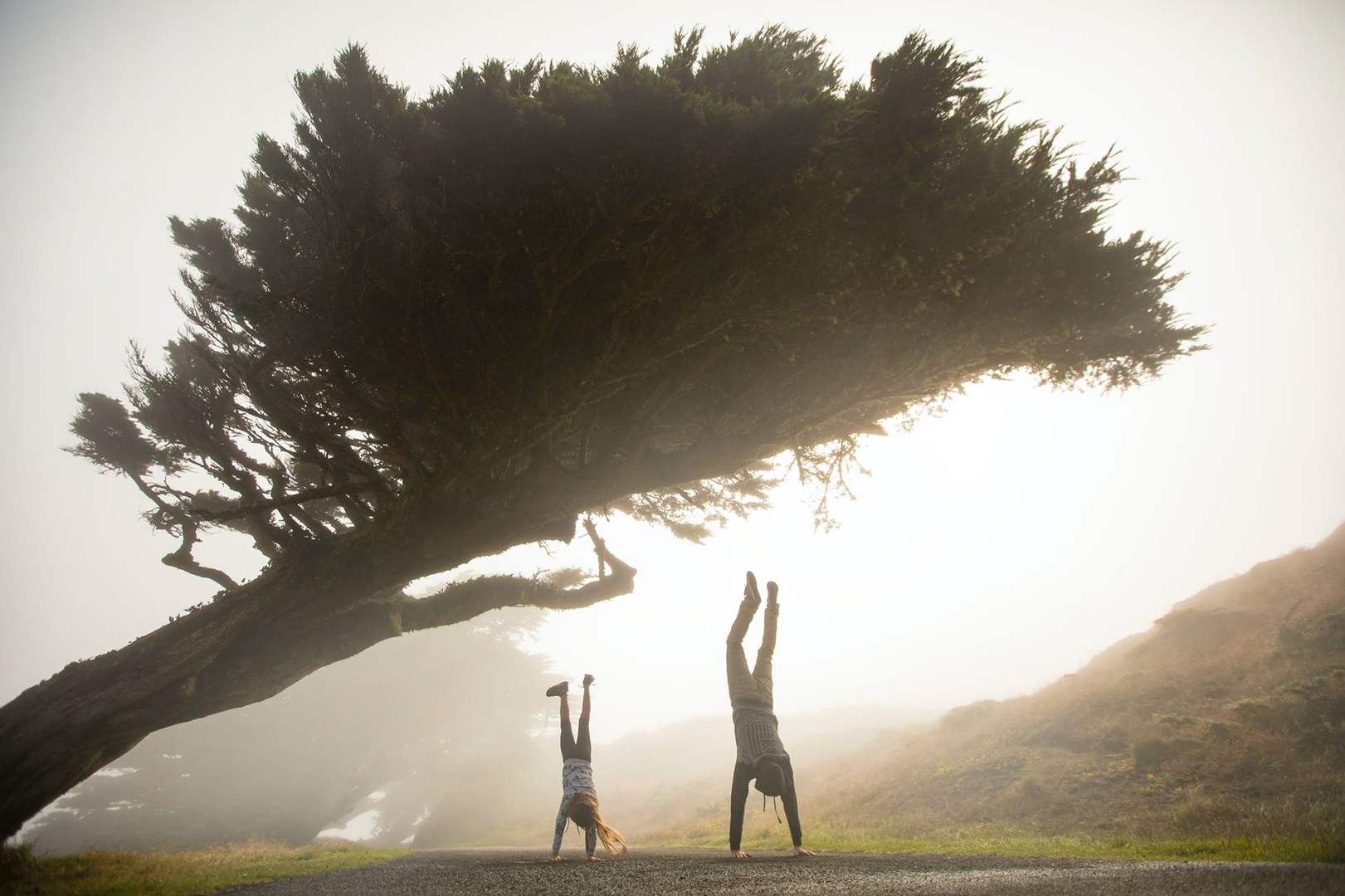
Our rapid integration into becoming an urbanised species dealing with the complexities and complications of modern life has led to a disconnect from our original life support system.
You might enjoy getting out to visit your local park or to spend a holiday by the sea, but the busyness of our world has reduced the opportunity to get out as much as we would like.
And this is especially true for our children.
The findings of the recent RCH National Child Health Poll found that while most parents recognise the importance and benefits of outside play for their physical wellbeing and brain development, less than half (45%) of Australian children play outside most days.
There are many reasons for this including time, safety concerns and the weather but at what cost?
I was shocked to learn that pre-schoolers currently spend 107 minutes on screens compared to 39 minutes of energetic play.
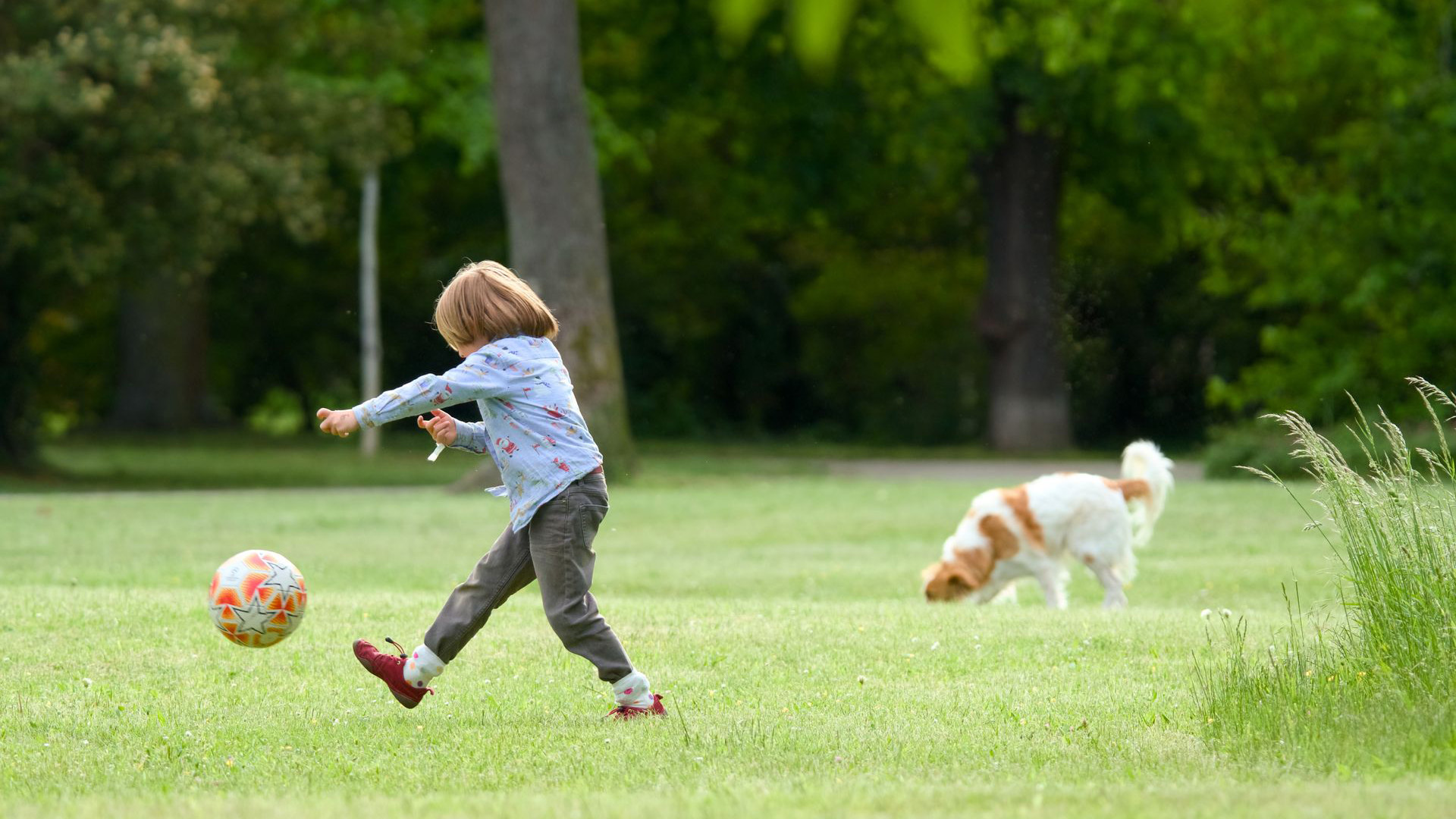
Outside play that allows a child to get their knees dirty and enjoy unstructured play builds confidence, balance and proprioception, curiosity and connection to the greater world at large. Jumping in puddles, running, climbing and balancing strengthens growing bodies
And that goes for grown-ups too.
Interacting with nature, whether in your garden, down at the beach or at a local park exposes us to phytoncides, the aromatic volatile compounds released by plants and trees (think of the smell of pine or cedar) that has an impact on the human immune system, activating what are called natural killer cells that enable us to fight off potential pathogens.
Children who regularly play on grass and soil or are brought up on a farm may have a lower risk of developing allergies.
In addition, stepping outside, particularly for those who have to spend long hours at work in front of a screen benefit from reduced cognitive fatigue. A short lunch time walk in a green space restores focus and attention, perfect for getting through the rest of your busy workday.
And if creativity is your thing, there’s a reason why artists, poets and musicians are inspired by nature. Studies have shown that immersing yourself in nature (a 3-day hike is especially good, but shorter periods work well too) stimulates creativity and better problem-solving.
The message is clear.
Human health and well-being is supported by regular time immersed in nature at every age.
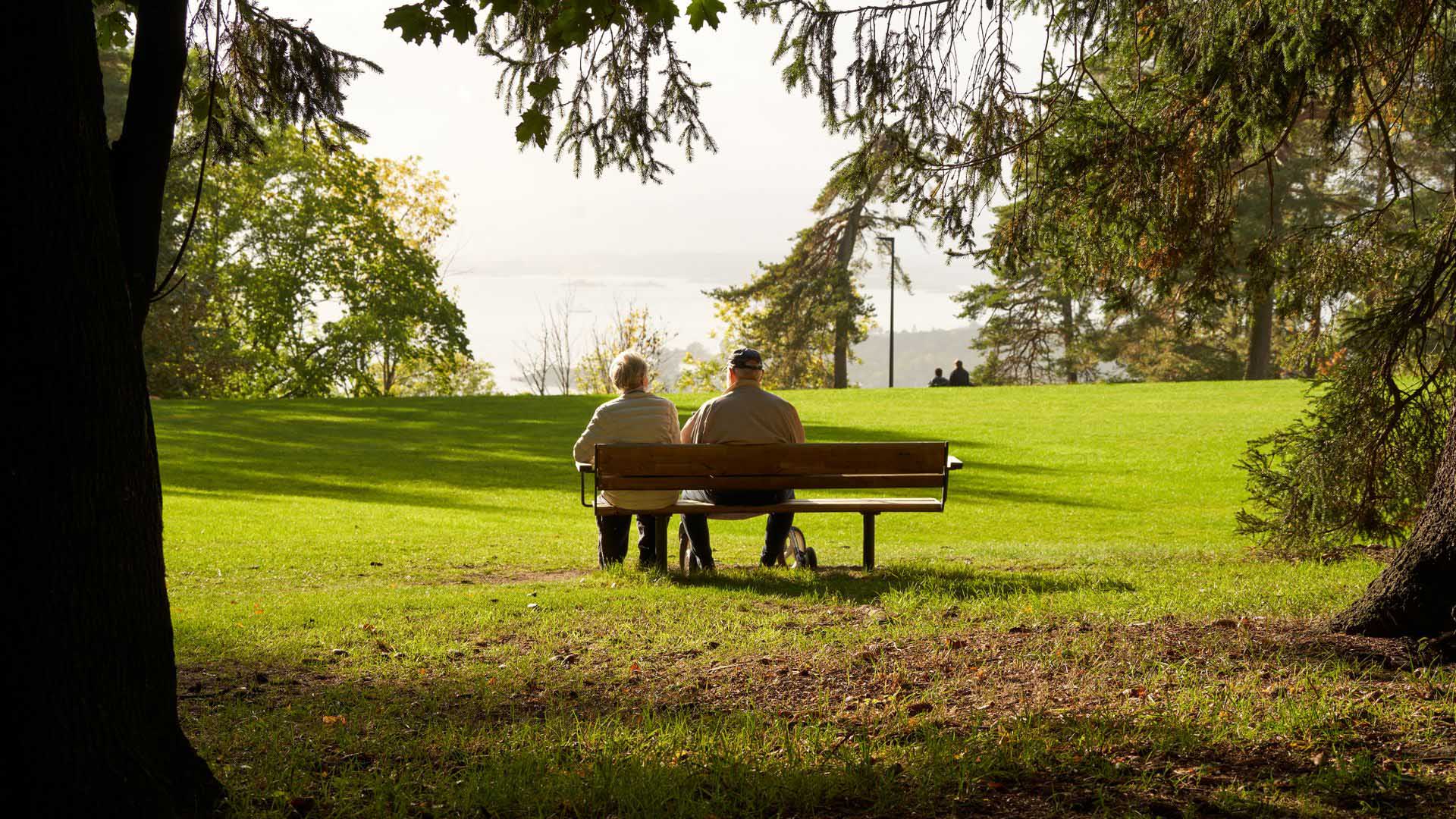
The good news being that improving urban green design that keeps our cities cooler with more tree canopy, increasing the quality and biodiversity of urban green and blue spaces, makes it more attractive to want to get outside more and to re-establish the habit of getting outside whenever possible.
Trees are fabulous air filters, reducing pollutants in addition to providing us with the oxygen we need, important for respiratory and heart health.
Green or outdoors exercise is not only pleasant, studies show you’re more likely to embed it as a regular habit and spend longer doing it (partly because the element of time pressure feels less).
More time outside in sunshine (with appropriate sun exposure protection) is important for vitamin D, essential to stronger bones, muscles and our brain.
Change is on the way, and we as parents, community members and health practitioners are the ones to implement it.
Child-care centres and schools can provide outdoor spaces for recreation and learning.
Natural shaded play areas are fun to be in.
Workplaces can invest in natural green space around their buildings for staff to use for breaks. Green balconies and decks can make use of limited space. Natural light and big windows allow nature to be brought in along with living plants and natural furnishings.
Your investment
The best thing about investing more time regularly to being in the great outdoors is its simplicity and the benefits provided for improving your health for today and for the future.
Start by setting the intention.
Work out the what, when, where and how.
Schedule it into your diary.
Set a reminder.
And go do.
And don’t forget – to notice what you see and hear, smell or touch by slowing down and fully embracing everything time with nature has to offer.
I’d love to know, how do you get out into nature?

